
Currently Empty: 0.00

How Many Types of Safety Gloves Are There & What They’re Used For

When it comes to workplace safety, your hands are often your most valuable, and most vulnerable tools. Whether you’re working in construction, manufacturing, chemical handling, welding, or general labor, wearing the right type of safety gloves can mean the difference between a productive shift and a serious injury.
But with so many options on the market, how do you know which safety hand gloves are right for your job? In this guide, we’ll break down the most common types of industrial safety gloves, what they’re made of, and where each one is best used , so you can make an informed choice and stay protected on the job.
Why Choosing the Right Safety Gloves Matters
Not all gloves are created equal. Using the wrong type of hand protection gloves can expose you to cuts, chemical burns, abrasions, heat, or electrical hazards. Employers and workers alike need to match glove material and design to the specific risk at hand, whether that’s a sharp edge, a corrosive chemical, an open flame, or simply the need for basic hygiene and grip.
Below, we’ve listed the most widely used types of safety gloves for work, along with their key features and ideal applications.
1. Cotton Safety Gloves

Cotton gloves are the most basic and widely used form of hand protection, ideal for light-duty tasks where comfort and breathability matter most.
Best for: General handling, packaging, light assembly work, warehouse tasks, and jobs requiring frequent hand movement without heavy exposure to chemicals or sharp objects.
Key benefits:
- Lightweight and breathable
- Comfortable for long shifts
- Affordable and reusable
- Reduces sweat and improves grip on dry materials
If you need dependable, everyday hand protection, our cotton plain safety gloves for work are a great starting point for general industrial and workshop use.
2. Chemical Resistant PVC Gloves

When workers are exposed to acids, alkalis, oils, or other hazardous liquids, chemical resistant gloves become essential. PVC (polyvinyl chloride) gloves offer a strong barrier against many industrial chemicals while remaining flexible enough for hands-on work.
Best for: Chemical handling, cleaning, laboratories, agriculture, and industries dealing with corrosive substances or wet environments.
Key benefits:
- Strong resistance to chemicals, oils, and acids
- Waterproof and durable
- Textured grip for handling slippery materials
- Cost-effective compared to specialty chemical suits
For dependable protection against harsh substances, PVC gloves ,built for safety in demanding chemical environments.
3. Latex Coated Gloves

Latex coated safety gloves combine a soft cotton or polyester liner with a latex coating on the palm and fingers, offering both comfort and enhanced grip.
Best for: Construction, glass handling, general manufacturing, and tasks requiring precision along with protection from cuts and abrasions.
Key benefits:
- Excellent grip, even in wet or oily conditions
- Good abrasion and puncture resistance
- Flexible and comfortable for extended wear
- Ideal middle-ground between cotton and heavy-duty gloves
latex coated safety gloves for a reliable combination of comfort, durability, and grip.
4. Leather Safety Gloves

Leather work gloves are a staple in heavy industrial settings thanks to their toughness and natural resistance to heat, sparks, and abrasion. They’re one of the most trusted types of industrial hand gloves for rugged, hands-on work.
Best for: Construction, metalwork, carpentry, handling rough or sharp materials, and general heavy-duty labor.
Key benefits:
- Highly durable and abrasion-resistant
- Natural resistance to minor heat exposure
- Sturdy protection for rough handling
- Long-lasting even under frequent use
We offer two trusted options for leather protection:
Both are excellent choices for workers who need dependable, heavy-duty leather hand protection on the job site.
5. Leather Welding Gloves
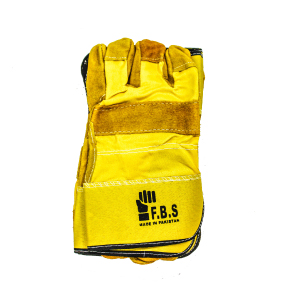
Welding presents unique hazards: extreme heat, sparks, molten metal splashes, and UV radiation which is why welding safety gloves are specially designed for maximum heat resistance and coverage.
Best for: Welding, soldering, foundry work, and any job involving direct exposure to heat, flame, or sparks.
Key benefits:
- Extended cuff for wrist and forearm protection
- Thick leather construction to resist heat and sparks
- Reinforced stitching for durability
- Insulation against high temperatures
6. PVC Dotted Gloves

Dotted PVC gloves feature small PVC dots on the palm, giving workers extra grip when handling smooth, slippery, or wet materials , without sacrificing flexibility.
Best for: Warehousing, packaging, logistics, light construction, and any task where secure grip is a priority.
Key benefits:
- Enhanced grip on smooth and wet surfaces
- Lightweight and breathable
- Comfortable for long working hours
- Affordable, everyday hand protection
How to Choose the Right Safety Gloves for Your Job
With so many types of hand safety gloves available, here’s a quick way to decide which one suits your needs:
| Hazard / Task | Recommended Glove Type |
| Light handling, packaging | Cotton Gloves |
| Chemical or liquid exposure | PVC Chemical Resistant Gloves |
| Grip on wet/oily surfaces | Latex Coated Gloves |
| Heavy-duty, rough materials | Leather Gloves |
| Welding, heat, sparks | Leather Welding Gloves |
| Warehouse & logistics grip | Dotted PVC Gloves |
Final Thoughts
Choosing the right safety hand gloves isn’t just about compliance, it’s about protecting your workforce and improving productivity on the job. From breathable cotton gloves for light tasks to rugged leather welding gloves for high-heat environments, having the correct hand protection equipment reduces injury risk and keeps operations running smoothly.
At Nabil Tools, we offer a complete range of industrial safety gloves designed for durability, comfort, and reliable protection across every industry , from construction and manufacturing to chemical handling and welding.